 English
  Chinese
 We often worry about gasoline levels, but in electric vehicles, a low battery charge introduces unique and serious safety risks. Understanding these dangers is crucial for every driver.
First, a depleted battery severely limits your vehicle’s performance. The car’s system actively reduces power output to conserve energy. This causes sluggish acceleration and makes merging onto highways or climbing hills difficult and potentially hazardous.
More critically, low charge threatens essential electronic systems. Modern cars rely on electricity to power vital safety features. As voltage drops, electronic power steering can become heavy and unresponsive. Brake assist systems may also weaken, increasing your stopping distance in an emergency.
Perhaps the greatest danger is the risk of sudden, complete shutdown. Unlike a gasoline car that sputters, a critically low EV battery can power down entirely without much warning. This leaves you stranded without propulsion, disabling all lights, climate control, and hazard signals—especially dangerous at night or on busy roads.
Furthermore, dimming headlights and dashboard displays reduce your visibility and access to crucial information like speed, making it harder to drive safely.
The bottom line: Treat a low battery warning with utmost urgency. It signals that your vehicle’s core safety margins are fading. Always plan your trips with a sufficient charge buffer and seek a charging point immediately when alerts appear. Your safety depends on the power your car needs to protect you.
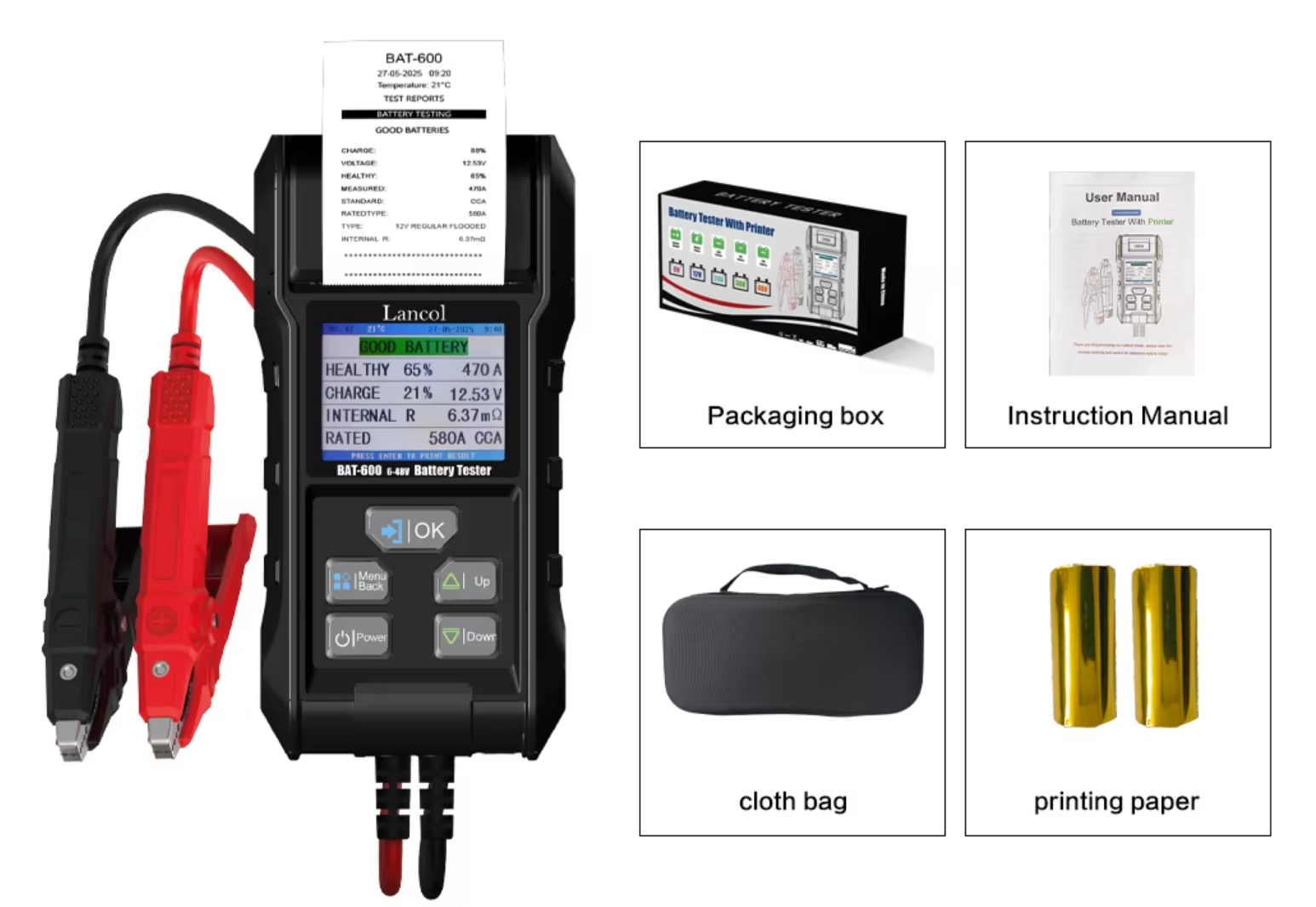
Below the battery tester can solve this problem.